

More than 5 million Australian homes rely on natural gas for heating, cooking, and hot water. Most people assume their gas appliances are safe as long as they’re working. That assumption is dangerous.
The warning signs of gas appliance failure are often subtle. A slightly different flame colour. An occasional smell that disappears. Marks on the wall you didn’t notice appearing. By the time most people recognise something’s wrong, they’ve been exposed to carbon monoxide or living with a gas leak for weeks.
You’re about to learn exactly what to look for and when immediate action is required. Some of these signs indicate life-threatening carbon monoxide exposure. Others point to gas leaks that could ignite. None of them should be ignored.
Why Gas Appliance Warning Signs Are Easy to Miss (Until It’s Too Late)
Gas appliances rarely fail suddenly. They deteriorate gradually over months or years. The flame colour shifts from blue to slightly yellow. The pilot light starts going out once a week instead of never. Your heater develops a faint smell that only appears when it first turns on.
These changes happen slowly enough that you adapt to them. What should trigger alarm becomes your new normal. You convince yourself the smell is just dust burning off. The yellow flame is probably fine because the appliance still heats properly. The headaches you get when the heater runs are probably stress.
Many warning signs mimic other household issues. Soot marks could be from candles. Headaches could be from work pressure. A smell near your hot water system could be something else entirely. This is how dangerous situations persist for months without anyone calling for help.
The difference between safe operation and serious risk comes down to knowing what’s normal. A healthy gas appliance has specific, observable characteristics. Anything outside those parameters requires professional assessment, regardless of whether the appliance seems to work fine otherwise.
1. Yellow or Orange Flames Instead of Blue
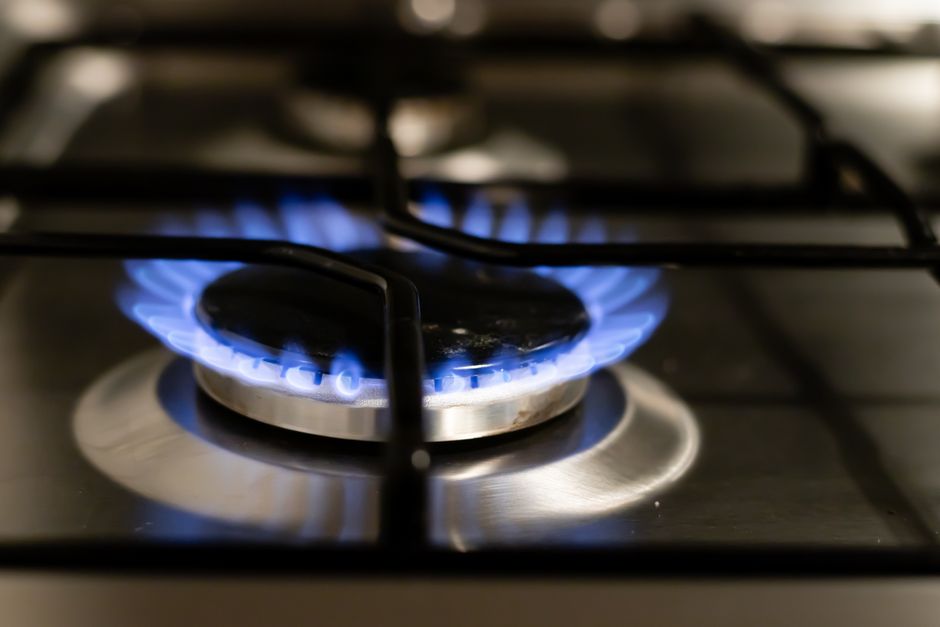
Photo by Mateusz Feliksik on Pexels
A properly functioning gas appliance produces a steady blue flame. You might see small yellow tips at the very top, but the flame body should be consistently blue. This indicates complete combustion with the correct air-to-gas ratio.
When flames turn yellow or orange, you’re looking at the most visible sign that combustion has gone wrong. This isn’t subtle. If you can see your burner flames clearly, you can identify this problem immediately.
What this colour change actually means
Yellow and orange flames indicate incomplete combustion. The gas isn’t burning properly because it’s not getting enough oxygen or the burner is compromised. Instead of burning cleanly, the gas produces carbon monoxide and soot.
This happens for several reasons. Burner ports get blocked with debris or corrosion. Gas pressure drops below optimal levels. Ventilation becomes restricted. The appliance might be incorrectly installed or adjusted. Whatever the cause, incomplete combustion creates carbon monoxide, which is odourless, invisible, and deadly.
The flame colour is your visual confirmation that dangerous gas is being produced every time the appliance runs. You don’t need technical knowledge to recognise this. You just need to look at the flame and know that anything other than blue requires immediate attention.
When to call a professional immediately
If your gas appliance consistently produces yellow or orange flames, turn it off and contact a licensed gas fitter. Don’t try to clean the burners yourself. Don’t adjust anything. Don’t keep using it because it still heats your home or cooks your food.
This requires professional diagnosis. The gas fitter needs to identify why combustion is incomplete, test for carbon monoxide, check gas pressure, and verify ventilation. Even if the appliance appears to function normally in every other way, the flame colour is non-negotiable. Similar to knowing What To Do When You Have A Burst Pipe, recognising when to stop and call for help prevents minor issues from becoming emergencies.
2. The Smell of Gas (Even If It Comes and Goes)
Natural gas is odourless in its pure form. The distinctive rotten egg or sulphur smell is added deliberately so you can detect leaks. If you smell it, gas is escaping somewhere it shouldn’t be.
People often dismiss gas smells that come and go. You walk past your hot water system and catch a whiff, but it’s gone when you check again. You smell something near your cooktop occasionally but not every time you use it. These intermittent smells get ignored because they’re not constant.
Why intermittent smells are still dangerous
Gas leaks can be intermittent based on how you’re using the appliance, changes in gas pressure, or temperature fluctuations. A connection might leak only when the appliance is running. A seal might fail when it heats up, then reseal when it cools down. Pressure changes in the gas line can cause leaks to start and stop.
Even small amounts of leaked gas are flammable. In enclosed spaces, gas can accumulate to dangerous concentrations. You might smell it when walking past an appliance because air movement disperses it, but in a closed room overnight, it builds up.
Intermittent smells are as serious as constant ones. The leak is real. The gas is escaping. The fact that you don’t smell it continuously doesn’t make it safe.
What to do the moment you smell gas
Don’t use electrical switches. Don’t turn lights on or off. Don’t use your phone inside the property. A spark from any electrical source can ignite leaked gas.
Open windows and doors immediately to ventilate the space. If the smell is strong or you’re uncertain about safety, evacuate everyone including pets. Turn off the gas at the meter if you can reach it safely without using electrical switches or creating sparks, then leave the property.
For strong gas smells or if you’ve evacuated, call the gas emergency line on 131 909. For less severe situations where you’ve ventilated the space and turned off the gas, contact a licensed gas fitter to locate and repair the leak before turning gas back on.
3. Soot or Black Marks Around Your Appliance

Photo by Magda Ehlers on Pexels
Black streaks on the wall above your heater. Sooty residue on the ceiling near your hot water system. Dark marks around your cooktop burners. These aren’t cosmetic issues. They’re physical evidence that your appliance is producing soot through incomplete combustion.
This sign connects directly to the flame colour issue. Both indicate the same underlying problem: gas isn’t burning completely. The difference is that soot marks remain visible even when the appliance is off, giving you a permanent record of the problem.
Where to look for these marks
Check above and around gas heaters, particularly on white or light-coloured walls where marks show up clearly. Look at the area surrounding your hot water system, especially on the wall behind it and the ceiling above. Examine the wall and rangehood around your cooktop burners. Check rangehood filters for black, greasy deposits.
These marks appear gradually. You might not notice them developing because you see the area every day. Compare how the wall looks now to photos from six months ago. Take new photos periodically so you can track any changes.
If you’re seeing soot accumulation, it means incomplete combustion has been happening for a while. The problem isn’t new, even if you’ve only just noticed the marks.
The carbon monoxide connection
Soot and carbon monoxide are both products of incomplete combustion. If your appliance is producing enough soot to leave visible marks, it’s also producing carbon monoxide. The soot you can see is your warning that invisible, odourless carbon monoxide is present.
Carbon monoxide poisoning happens when you can’t see, smell, or taste the danger. Soot marks give you a visible indicator. If you spot them, assume carbon monoxide exposure is occurring whenever the appliance runs.
Install a carbon monoxide detector near gas appliances as an additional safety measure. These detectors provide an audible alarm when carbon monoxide reaches dangerous levels, giving you warning even if you haven’t noticed other signs.
4. Physical Symptoms When the Appliance Is Running
Your body can detect carbon monoxide exposure before you consciously realise there’s a problem. The critical pattern to watch for is symptoms that appear when you’re using gas appliances, then improve when you leave the house or the appliance turns off.
Most people attribute these symptoms to other causes. You’re tired because work is stressful. You have a headache because you’re not drinking enough water. You feel nauseous because you’re coming down with something. The connection to gas appliance use gets missed entirely.
Headaches, nausea, and dizziness as warning signs
Common carbon monoxide exposure symptoms include headaches, nausea, dizziness, fatigue, confusion, and flu-like feelings without fever. These symptoms affect everyone in the home, including pets. If your dog seems lethargic when the heater runs, that’s relevant information.
The pattern matters more than individual symptoms. Do you get headaches every time you run the heater for more than an hour? Does everyone feel better when you’re outside or away from home? Do symptoms appear in winter when you’re using gas heating but disappear in summer?
Track when symptoms occur and what appliances were running. If multiple people feel unwell specifically when the gas heater is on, you’re looking at a clear pattern that requires immediate investigation.
Why your body is detecting what you can’t see
Carbon monoxide prevents oxygen from reaching your organs. Your body responds to oxygen deprivation with headaches, nausea, dizziness, and fatigue. These aren’t random symptoms. They’re your body’s warning system telling you something is wrong with the air you’re breathing.
Even low-level exposure over time is dangerous. You don’t need acute carbon monoxide poisoning to be at risk. Chronic low-level exposure causes ongoing health problems and can be fatal if it continues.
If multiple people feel unwell when a gas appliance runs, evacuate immediately and call for help. Don’t wait to see if symptoms get worse. Don’t try to troubleshoot the appliance yourself. Get everyone out and contact a licensed gas fitter to inspect the appliance before using it again.
5. Pilot Light That Won’t Stay Lit or Keeps Going Out
A pilot light that extinguishes frequently, won’t relight, or requires multiple attempts to stay lit seems like an inconvenience rather than a safety issue. You relight it, it works for a while, then goes out again. Annoying, but not dangerous.
That assessment is wrong. A failing pilot light indicates underlying issues that can lead to incomplete combustion or gas leaks. What feels like a minor problem points to conditions that create serious safety risks.
What causes a pilot light to fail repeatedly
Common causes include a faulty thermocouple that can’t detect the flame properly, a blocked pilot orifice restricting gas flow, ventilation problems preventing stable combustion, or incorrect gas pressure. These same issues affect how the main burner operates.
Ventilation problems are particularly concerning. If your appliance isn’t getting enough air to keep the pilot light stable, it’s not getting enough air for complete combustion when the main burner runs. Drafts that blow out the pilot light might indicate ventilation issues that need addressing.
You don’t need to diagnose which specific component has failed. You just need to recognise that a pilot light going out repeatedly isn’t normal operation and requires professional assessment. Much like understanding How To Use A Plunger for simple blockages, knowing when a problem exceeds DIY fixes prevents you from making situations worse.
Why this isn’t just an inconvenience
When a pilot light goes out, unburned gas can accumulate before you relight it. If you’re repeatedly trying to relight a pilot that won’t stay lit, you’re potentially allowing gas to build up between attempts. That creates an ignition risk.
The underlying cause of pilot light failure might also affect the main burner’s safety and efficiency. A thermocouple that can’t detect the pilot flame properly might fail to shut off gas flow when it should. Ventilation problems that extinguish the pilot light create incomplete combustion when the main burner runs.
Stop repeatedly trying to fix it yourself. Each relight attempt when gas has accumulated is dangerous. Call a licensed gas fitter to identify and repair the underlying cause rather than treating the symptom.
What to Do If You’ve Spotted Any of These Signs
Any of these five warning signs requires professional attention. This isn’t an area for guesswork, online tutorials, or DIY repairs. Gas appliances operate under specific safety parameters. When those parameters are compromised, only a licensed gas fitter has the training and equipment to diagnose and repair the problem safely.
Your response depends on severity, but the baseline is the same: stop using the appliance and get professional help. The question is whether you need to evacuate immediately or can safely wait for a service appointment.
Your immediate safety checklist
First, turn off the affected appliance. Don’t keep using it while you wait for repairs. Second, ensure adequate ventilation by opening windows and doors. Third, if you smell gas, don’t use electrical switches or create any potential ignition sources.
Document what you’ve noticed. Take photos of soot marks. Write down when the pilot light fails and how often. Note when symptoms occur and which appliances were running. This information helps the gas fitter diagnose the problem more quickly.
Keep people and pets away from the appliance until it’s been professionally inspected and repaired. If you’re concerned about costs, understanding typical service rates through resources like How Much Does A Plumber Cost In Sydney can help you budget appropriately, though gas safety should never be delayed due to cost concerns.
When to evacuate vs. when to call for service
Evacuate immediately if you smell strong gas, if anyone is experiencing severe symptoms like confusion or loss of consciousness, or if you see flames where they shouldn’t be. Call the gas emergency line on 131 909 from outside the property.
Call for a service appointment if you’ve noticed discoloured flames, soot marks, an intermittent pilot light, or mild symptoms that correlate with appliance use. Turn off the appliance, ventilate the space, and contact a licensed gas fitter to inspect and repair it before using it again.
The key difference is immediacy of danger. Strong gas smells and severe symptoms require immediate evacuation. Observable problems like flame colour or soot marks require prompt professional service but don’t necessarily mean you need to leave your home right now.
Acting quickly on any warning sign prevents serious problems. Gas appliance issues don’t resolve themselves. They deteriorate until they create dangerous conditions or fail completely. The warning signs you’ve learned to recognise give you the opportunity to address problems before they become emergencies.

