
It’s 2am. You wake to the sound of rushing water. You stumble into the hallway and see it: water pouring from the ceiling, pooling across the floor, spreading toward the bedrooms. Your heart races. Your mind blanks.
This is the moment where panic costs money. Every second you spend frozen adds to the damage. But here’s the reality: you don’t need to be a plumber to stop a crisis from becoming a catastrophe. You just need a clear plan.
In the next five minutes, you’ll do four things: stop the water, kill the power if needed, contain what’s left, and document everything before calling for help. That’s it. No technical knowledge required. Just fast, deliberate action that could save you thousands in damage. If you’re dealing with a burst pipe specifically, our guide on What To Do When You Have A Burst Pipe covers additional recovery steps once the immediate crisis is under control.
Stop the Water First, Think Second

Photo by Alexas Fotos on Pexels
Every second water flows freely through your property, it’s finding new places to go. Into walls. Under floors. Through ceilings into rooms below. The first step in any plumbing emergency is stopping that flow.
This isn’t the time to assess what went wrong or figure out if you can fix it yourself. Your only job right now is to turn off the water supply. Everything else comes after.
The difference between minor damage and a full renovation often comes down to how fast you act in these first 90 seconds.
Find and turn off your main water valve (60 seconds)
If you don’t know where your main water valve is, you’re about to learn. Right now. Put this article down and go find it.
Check these three locations in order:
- Near your water meter, usually at the front of the property near the boundary or footpath
- In a utility cupboard, often in the laundry or under the stairs
- Under the kitchen sink, though this is less common in newer properties
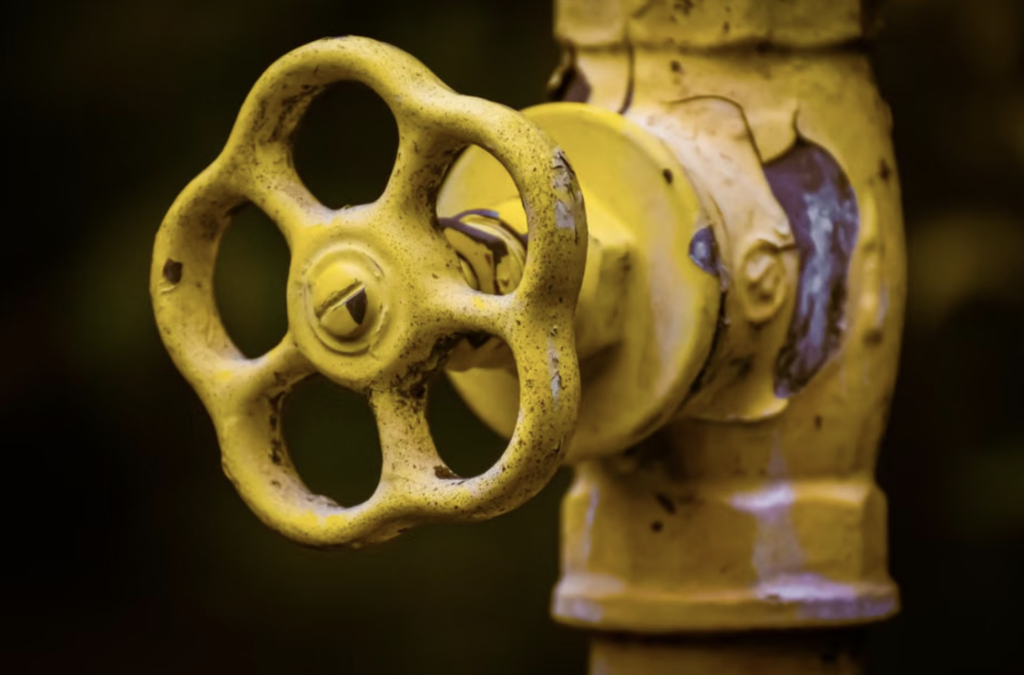
The valve looks like either a round wheel (like a ship’s steering wheel, but smaller) or a lever handle. If it’s a wheel, turn it clockwise until it stops. If it’s a lever, turn it perpendicular to the pipe. That’s off.
Don’t worry about being gentle. Turn it firmly. You’re not going to break it.
Open all taps to drain remaining pressure
Water doesn’t magically disappear from your pipes the moment you close the valve. There’s still pressure in the system, and that pressure can keep pushing water out through whatever’s broken.
Walk through your property and open every tap you can find. Kitchen. Bathroom. Laundry. Outdoor taps. Hot and cold. All of them.
This drains the remaining water and releases pressure. It won’t stop everything immediately, but it significantly reduces the flow and helps prevent additional bursts elsewhere in the system.
Kill the Power if Water’s Near Outlets or Appliances

Photo by Kleison Leopoldino on Pexels
Water and electricity don’t negotiate. If there’s water anywhere near power outlets, light fixtures, or appliances, you need to cut the power. Not later. Now.
This takes 30 seconds and could prevent electrocution or fire. It’s not dramatic. It’s just sensible.
Which circuits to switch off at the fuse box
Your fuse box is typically in the garage, laundry, or outside near the meter box. Open it and look for the circuit breakers, the switches arranged in rows.
Switch off the circuit for any room with visible water. If you can’t tell which circuit controls which room (most people can’t), switch off multiple circuits. Better to be cautious.
Also switch off circuits for any appliances that might be affected: hot water system, washing machine, dishwasher.
Don’t switch off the main breaker unless water is everywhere. You want to keep lights on in dry areas so you can see what you’re doing.
When it’s safe to leave power on
If the water is contained to one area and there are no outlets or appliances nearby, you can leave power on in the rest of the property.
Rooms with no water and no shared walls with the affected area are generally safe. You’ll want those lights working while you deal with the mess.
If you’re uncertain, switch it off. Working in torchlight is inconvenient. Electrocution is permanent.
Contain What You Can’t Stop
Photo by Ksenia Chernaya on Pexels
Even with the water off, you’ll likely have dripping from ceilings, pooling on floors, or slow leaks from damaged pipes. You can’t stop these completely, but you can control where the water goes.
This is damage limitation. You’re buying time until the plumber arrives.
Bucket placement for active leaks
Grab every bucket, pot, or container you can find. Place them under ceiling drips and visible pipe leaks.
Put towels under the buckets to catch splashes. If the leak is fast, set a timer on your phone to remind you to empty the buckets every 15 minutes. A full bucket that overflows defeats the purpose.
You’re working with whatever you have. Mixing bowls. Storage tubs. Even a wheelie bin if the leak is bad enough.
Towel barriers for spreading water
Water spreads. It finds the lowest point and keeps going. Your job is to block its path.
Roll up towels and place them at doorways and room edges. Focus on protecting carpeted areas and wooden floors first. Tiles can handle water better than carpet or timber.
Use old towels, bath mats, even clothing if you run out. These are sacrificial. You’re not saving them. You’re saving your floors.
What not to use (tape, glue, chemical fixes)
Do not reach for duct tape, epoxy, or pipe sealant. These rarely work under pressure and waste time you don’t have.
Do not pour chemical drain openers down any drains. Chemical solutions can damage pipes further and create hazardous reactions when mixed with water.
If you’re tempted to try a quick fix, resist. DIY repairs often make the plumber’s job harder and more expensive. For minor blockages that aren’t emergencies, knowing How To Use A Plunger properly can help, but during an active crisis, leave the repairs to professionals.
Document and Call — In That Order

Photo by Los Muertos Crew on Pexels
Once you start cleaning, the evidence disappears. Insurance companies need proof of damage extent. Take two minutes to document everything before you touch anything.
This isn’t bureaucracy. This is protecting your financial interests.
Take photos before you clean anything
Pull out your phone. Photograph the water source from multiple angles. Photograph every affected area. Photograph damaged belongings.
Take wide shots showing the whole room. Take close-ups of specific damage. Capture water stains on walls, ceiling damage, pooling on floors.
This takes 90 seconds maximum. The insurance claim you file next week will rely on these photos.
What to tell the emergency plumber
Now call. When the plumber answers, give them clear facts:
- What’s leaking: pipe, toilet, hot water system, ceiling
- Where it’s located: which room, which floor
- What you’ve done: water off, power off, contained
- Urgency level: dripping or gushing, flooding or contained
You don’t need to diagnose the problem. That’s their job. You just need to give them enough information to bring the right tools and prioritise your call appropriately. If you’re concerned about costs, check our breakdown of How Much Does A Plumber Cost In Sydney so you know what to expect.
You’ve Bought Yourself Time
You’ve completed the protocol. Water’s off. Power’s safe. Damage is contained. Evidence is documented. Help is on the way.
These five minutes of deliberate action have likely prevented thousands in additional damage. You didn’t need technical knowledge. You just needed to act fast and follow a clear sequence.
The plumber will handle the repair. But you’ve already handled the crisis.
One final thought: annual inspections by a licensed plumber help prevent these emergencies from happening in the first place. It’s easier to fix a small issue during a scheduled visit than to deal with a burst pipe at 2am.

