
You’re standing in your hallway watching water pool across the floorboards. It’s spreading fast—already halfway to the bedroom. You’ve called a plumber. They’re 45 minutes away. Your heart’s racing, your mind’s blank, and every second feels like the damage is doubling.
Here’s the truth: the next five minutes matter more than the next 45. What you do right now—before the professionals arrive—can be the difference between a $500 repair and a $15,000 insurance claim. This isn’t about understanding what went wrong or preventing future problems. This is a survival checklist for right now.
Stop the Water First, Think Second

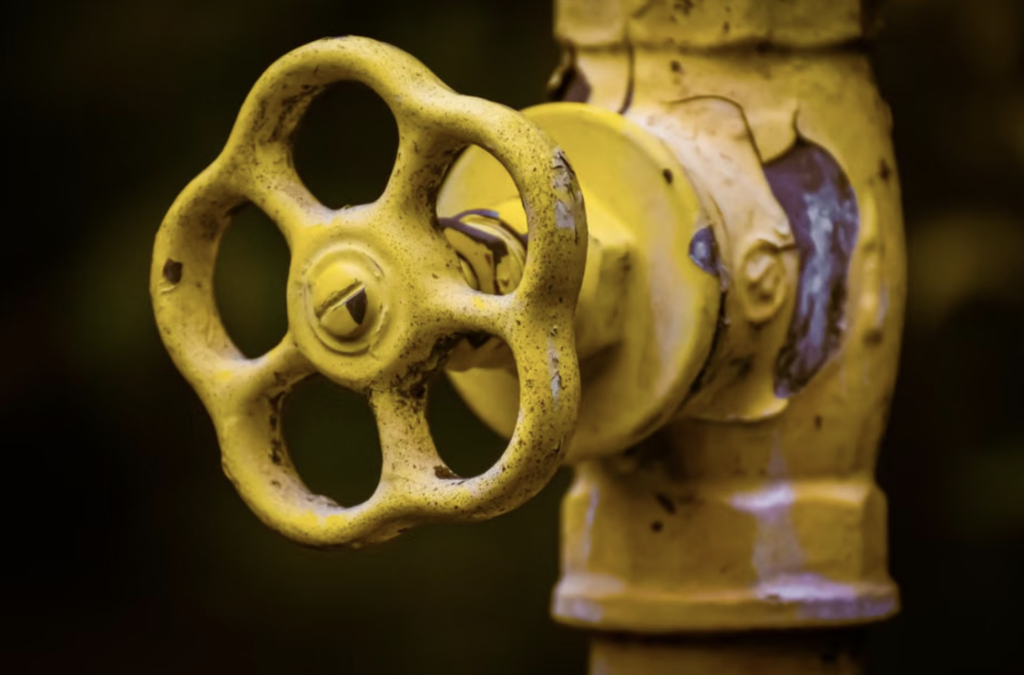
Photo by Alexas Fotos on Pexels
Drop everything. Find the water source. Stop it.
Every second of flowing water multiplies the damage. Within minutes, water spreads across floors, seeps into walls, soaks furniture, and creates conditions for mould. You don’t need to understand what’s happening. You just need to stop the flow.
Don’t stand there trying to diagnose the problem. Don’t grab towels yet. Don’t start moving furniture. Go straight to the water source and shut it down. Everything else comes after.
Find the main shut-off valve (and why the fixture tap isn’t enough)
Turning off the tap at the sink or toilet only stops flow at that point. It does nothing for leaks behind walls, under floors, or anywhere else in the line. You need the main shut-off valve.
In most Australian homes, it’s in one of four places: near the water metre at the front boundary, in the laundry, in the garage, or just inside the front door. Look for a round wheel or lever valve, usually with a blue or red handle.
Turn it clockwise to close. If it’s stiff, use a towel for grip. Don’t force it if it won’t budge—you’ll strip the mechanism and make things worse.
What to do if you can’t locate or turn the valve
Can’t find it? Call your water provider immediately. They’ll shut off supply at the metre. This is a free emergency service in most Australian states, and they’ll usually arrive faster than you expect.
While you wait, turn off the fixture tap as a temporary measure. It won’t stop everything, but it might slow the flow. Use buckets or towels to catch active drips if the valve is completely inaccessible.
Don’t try to patch the leak yourself with tape or rags. You’re not fixing this—you’re containing it until help arrives.
Kill the Power to Affected Areas
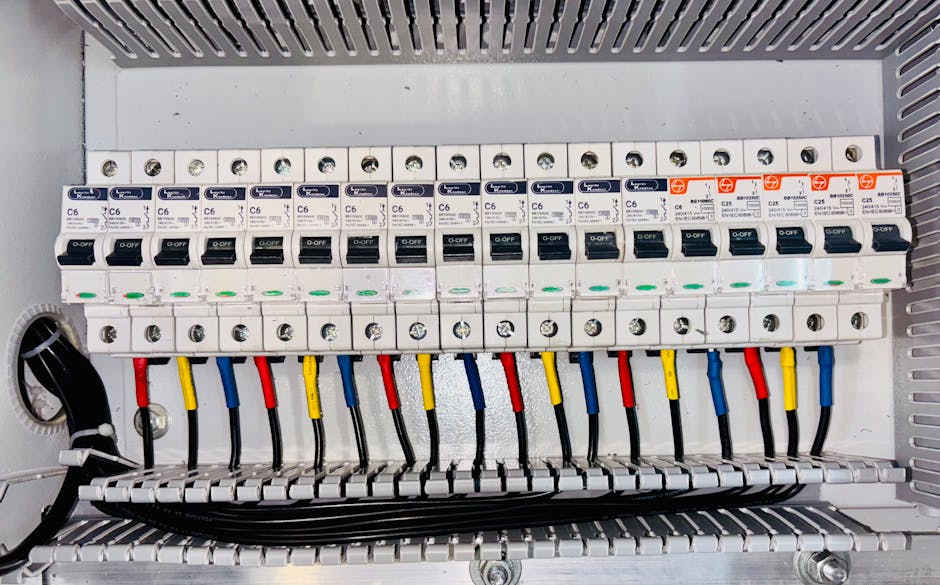
Photo by ranjeet . on Pexels
Water and electricity together create electrocution risk. This isn’t theoretical. If water is spreading toward outlets, switches, or appliances, you need to cut power immediately.
Your switchboard is usually near the front door, in the garage, or in the laundry. If you don’t know where it is, find it now. Open the cover and look for the circuit breakers.
Which circuit breakers to flip (and when to kill the main)
Most switchboards have labels showing which circuits control which rooms. If yours is labelled, flip the breakers for affected areas. If it’s not labelled—or if water has reached multiple rooms—flip the main switch.
Yes, this kills everything. Fridge, alarms, Wi-Fi, the lot. That’s acceptable in a crisis.
If the switchboard itself is wet or near water, don’t touch it. Call an electrician or emergency services. Your safety matters more than saving the fridge contents.
When water is already near outlets or appliances
If water is within a metre of outlets, switches, or plugged-in appliances, don’t touch anything electrical. Go straight to the switchboard and cut power at the source.
Don’t unplug appliances if your hands or the floor are wet. Even small amounts of water conduct electricity. Cut power first, then assess.
Move What You Can, Abandon What You Can’t
You’ve got maybe two minutes left before the plumber arrives or the water spreads further. This is triage. Save what matters most. Let the rest go.
That rug is already soaked. Leave it. The couch is too heavy to move safely. Leave it. Focus on high-value items you can grab in seconds.
Prioritise electronics, documents, and furniture with legs
Grab laptops, phones, chargers, important documents, and photos. Move them to higher ground—benches, beds, upper shelves. Don’t carry them out of the house. Just get them above water level.
Furniture with legs—tables, chairs, side tables—can be lifted quickly. Furniture that sits flat on the floor can’t. Focus on what you can move in one trip.
If something is already wet, moving it can spread water. Focus on dry or barely damp items first.
What not to waste time on (carpets, heavy furniture, already-soaked items)
Don’t try to lift soaked carpets. Don’t try to move couches or beds. Don’t try to save items that are already waterlogged. They’re too heavy, the damage is done, and you’re wasting critical time.
Heavy furniture can be assessed later by professionals. Trying to move it now risks injury or wastes the minutes you need for containment. Insurance will cover many of these items if you document them properly.
Start Containment Before the Water Does

Photo by Connor Scott McManus on Pexels
You’ve stopped the source. You’ve killed the power. You’ve moved what you can. Now limit how far the damage spreads.
Grab every towel you can find. This is about stopping water from reaching other rooms or levels.
Towels, buckets, and blocking doorways
Roll towels or bath mats and line doorways to create barriers. They won’t stop water completely, but they’ll slow it down long enough to matter.
Place buckets or large containers under active drips or leaks. Use plastic bins, storage tubs, or even rubbish bins if you don’t have buckets. Wring out towels into a bucket or sink as they saturate, then reuse them. Don’t just pile wet towels—they stop working once they’re full.
Opening windows and doors to start air circulation
Open windows and external doors in affected areas. Airflow helps slow mould growth, which can start within 24-48 hours in damp conditions.
This doesn’t dry the space completely, but it starts the process and reduces humidity. Don’t use fans or dehumidifiers yet—they may not be safe if power is off, and they’re not urgent right now.
Document Now, Before You Start Cleanup

Photo by Sergey Meshkov on Pexels
This feels wrong. You want to start mopping. You want to clean up the mess. Don’t.
Once you start moving things or mopping water, the evidence of damage is gone. Insurance assessors need proof. Without photos, you may only get partial coverage. Taking five minutes to document can save you thousands of dollars.
Photos and video of water source, spread, and affected items
Photograph the water source—the burst pipe, leaking appliance, whatever caused this. Photograph the extent of water spread. Photograph every damaged item.
Take wide shots of each room, then close-ups of specific damage: soaked carpet, warped wood, water stains. Take a quick video walkthrough, narrating what happened and what’s affected. This provides context photos alone can’t.
Most phones automatically embed date and time in photo metadata. Insurers value this.
Why this matters more than immediate mopping
Mopping up a bit of water now won’t significantly reduce damage. Missing documentation can cost you thousands. Professional restorers who arrive later also use initial photos to assess what’s salvageable versus what needs replacing.
If you’ve already started cleaning, stop and document whatever’s left. It’s not too late.
After the First Five: What Happens Next
If you’ve followed these steps, you’ve done everything possible in the critical first minutes. You’ve stopped the water. You’ve protected your safety. You’ve limited the spread. You’ve documented the damage.
Now call a professional plumber. If you’re in Sydney or surrounding areas, Absolute Plumbing Solutions offers emergency plumbing services and can assess the full extent of the damage. Contact your insurance company with the photos you’ve taken. If water damage is extensive, involves contaminated water, or affects multiple rooms, you’ll need professional water damage restoration.
You’ve bought yourself time. You’ve contained the worst of it. The damage is limited, and you’re safe. That’s what the first five minutes were for.

